Treat Restless Legs Syndrome with Acupuncture (Blaine, MN)
A Natural Approach to Relief
How Acupuncture Helps Manage Restless Leg Syndrome
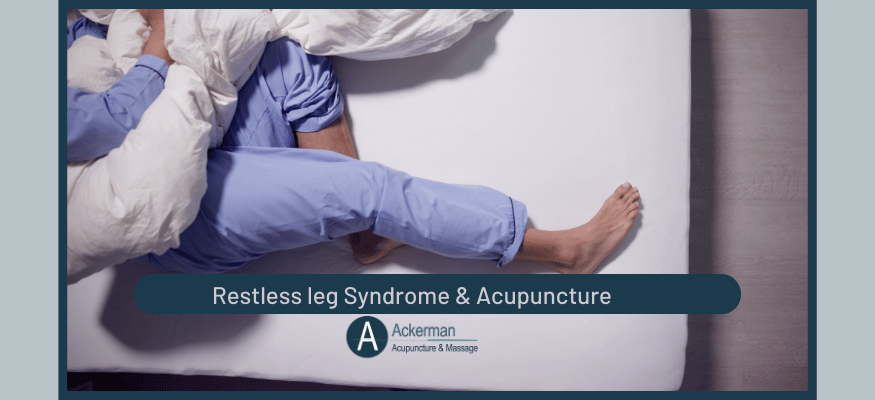
Restless Leg Syndrome (RLS) causes an uncontrollable urge to move the legs, especially at night, disrupting sleep and overall well-being. Restless Leg Syndrome & Acupuncture treatments offer a natural solution to reduce symptoms and improve sleep quality.
This article explores RLS symptoms, risk factors, and how acupuncture helps manage discomfort, muscle spasms, and insomnia associated with this condition.
Understanding Restless Leg Syndrome
What Is Restless Leg Syndrome?
Restless Leg Syndrome is a neurological disorder that causes discomfort in the legs, often worsening during periods of rest. Many individuals experience tingling, cramping, or muscle spasms that temporarily improve with movement. These symptoms frequently disrupt sleep, leading to chronic fatigue and decreased quality of life.
The severity of RLS varies from mild discomfort to persistent, distressing sensations that interfere with daily activities. Over time, untreated symptoms can contribute to sleep disorders such as insomnia and increased stress.
How Is Restless Leg Syndrome Diagnosed?
Recognizing the Symptoms and Seeking Professional Evaluation
A primary care physician typically diagnoses Restless Leg Syndrome based on a patient’s symptoms and medical history. No imaging or lab tests specifically confirm the condition, but nerve function tests may rule out other neurological disorders.
Many individuals go undiagnosed because symptoms often worsen at night and may not be present during medical evaluations. If leg discomfort regularly disrupts sleep, seeking professional assessment is essential for effective management.
Who Is at Risk for Restless Leg Syndrome?
Common Risk Factors That Contribute to RLS
Certain health conditions increase the likelihood of developing Restless Leg Syndrome. Individuals with anemia, diabetes, kidney disease, or metabolic disorders face a higher risk.
Iron deficiency plays a significant role in symptom severity, making proper nutrition essential for managing RLS. Addressing underlying health conditions can help reduce symptoms and improve overall well-being.
How Acupuncture Supports Restless Leg Syndrome Relief
Balancing the Body’s Energy and Nervous System
Acupuncture restores balance by targeting specific energy pathways that regulate muscle function and nerve communication. This natural therapy improves circulation, reduces inflammation, and promotes relaxation.
Many individuals experience a reduction in muscle spasms, cramping, and nighttime discomfort after acupuncture sessions. Consistent treatments help regulate nervous system activity, minimizing the involuntary leg movements associated with RLS.
Lifestyle Adjustments to Support Restless Leg Syndrome Treatment

Daily Habits That Improve Symptoms
Regular exercise improves circulation and reduces RLS symptoms. Engaging in light activities such as stretching or walking promotes muscle relaxation.
Caffeine and nicotine can worsen symptoms. Reducing stimulant intake, especially before bedtime, helps prevent nighttime discomfort.
A well-balanced diet rich in leafy greens and iron-rich foods supports overall nervous system health. Proper nutrition plays a crucial role in managing Restless Leg Syndrome.
Consulting a licensed acupuncturist provides a personalized treatment plan tailored to individual needs. Combining acupuncture with lifestyle modifications enhances symptom relief and improves sleep quality.
Experience Restless Leg Syndrome Relief With Acupuncture
Ackerman Acupuncture & Massage in Blaine, MN, offers effective acupuncture treatments to manage Restless Leg Syndrome & Acupuncture concerns. Our holistic approach addresses both the symptoms and underlying imbalances contributing to discomfort.
Schedule your appointment today at Ackerman Acupuncture & Massage.
Call (763) 477-1338 to book a session or use our contact page
Stay informed about holistic wellness by following us on Facebook.

Disclaimer
This article provides general information and does not replace professional medical advice. Always consult a healthcare provider before starting any new treatment.