
Just Breathe… Stress Busting Deep Breathing Exercises
Deep Breathing for Mind and Body Wellness
Harness the Power of Breath to Reduce Stress and Restore Balance
Breathing is more than just a necessity—it plays a vital role in maintaining physical, mental, and emotional well-being. Proper breathing techniques activate the body’s relaxation response, helping to reduce stress, regulate hormones, and improve overall health. Breathe for stress relief and experience a natural, drug-free way to manage daily challenges.
This article explores how deep breathing influences the nervous system, enhances relaxation, and supports overall health. Learning effective breathing exercises can provide immediate relief from tension while promoting long-term wellness.
The Science Behind Breathing and Stress
How Breathing Affects the Nervous System
Breathing patterns directly influence the body’s stress response. Shallow chest breathing signals the Sympathetic Nervous System (SNS), triggering the “fight-or-flight” response. This reaction increases heart rate, floods the body with cortisol, and heightens stress levels. Chronic shallow breathing can lead to fatigue, adrenal burnout, and hormonal imbalances.
Deep belly breathing, also known as diaphragmatic breathing, activates the Parasympathetic Nervous System (PNS). This response promotes relaxation, reduces inflammation, and improves digestion. Shifting from shallow to deep breathing encourages hormonal balance, emotional stability, and enhanced focus.
Breathing Techniques for Stress Reduction

Simple Exercises to Calm the Mind and Body
Practicing intentional breathing creates a powerful shift in physical and emotional well-being. Diaphragmatic breathing allows oxygen-rich blood to flow more efficiently, supporting digestion and reducing tension. Lying on your back with hands on the abdomen helps bring awareness to each breath, promoting full lung expansion.
Box breathing strengthens lung capacity and enhances relaxation. Inhaling for a count of five, holding for five, exhaling for five, and pausing before repeating calms the nervous system. Counting breath exercises help regulate the breath and improve focus, reducing anxious thoughts and promoting mindfulness.
Integrating Deep Breathing into Everyday Life
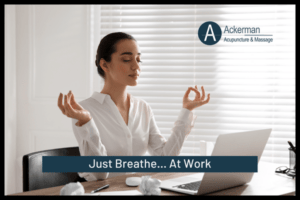
Making Breathwork a Daily Habit
Incorporating mindful breathing into daily routines strengthens the body’s ability to manage stress. Practicing deep breathing first thing in the morning sets a positive tone for the day. Taking intentional breaths before meals improves digestion and reduces tension.
Evening breathing exercises help release accumulated stress, supporting restful sleep. Pairing deep breathing with acupuncture treatments amplifies the benefits, promoting long-lasting relaxation and emotional balance. Consistent practice leads to increased resilience and improved overall well-being.
Enhancing Mind-Body Wellness with Movement Therapies

Complementary Practices for Stress Relief
Breathwork pairs well with movement-based therapies that encourage mindfulness and relaxation. Tai Chi, Qi Gong, and yoga incorporate intentional breathing, promoting circulation and flexibility. Meditation techniques such as body scanning and walking meditation enhance breath awareness, fostering mental clarity and stress reduction.
Short, mindful walks also support adrenal health and prevent burnout. Gentle movements paired with conscious breathing encourage the body’s natural healing process. Combining breathwork with acupuncture and Traditional Chinese Medicine strengthens the connection between mind, body, and spirit.
Experience Stress Relief Through Breath and Acupuncture
Acupuncture enhances the benefits of breathing for stress relief, providing a holistic approach to relaxation and emotional balance. This natural therapy helps reduce tension, regulate energy flow, and improve overall well-being.
Schedule a consultation today at Ackerman Acupuncture & Massage in Blaine, MN, to explore personalized wellness solutions.
Stay updated on holistic health and stress management by following us on Facebook.
Disclaimer
This article provides general information and does not replace professional medical advice. Always consult a healthcare provider before starting any new treatment.